 English
 اللغة العربية
 বাংলা
বাংলা Deutsch
 Français
 Bahasa Indonesia
 Русский алфавит
 Español
 اردو
اردو Português

Specifications
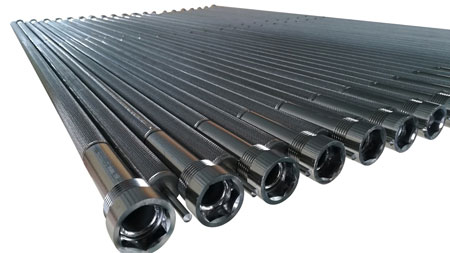
Materials: SUS304, SUS316, SUS316L. Custom orders for special alloys such as Hastelloy, Monel, and Inconel are also available.
Filtration Accuracy: 1–300 μm
Operating Temperature: -200°C to +600°C
Structure
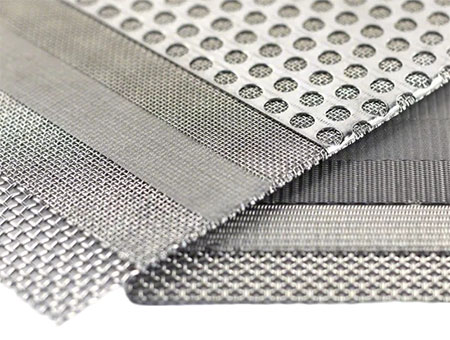
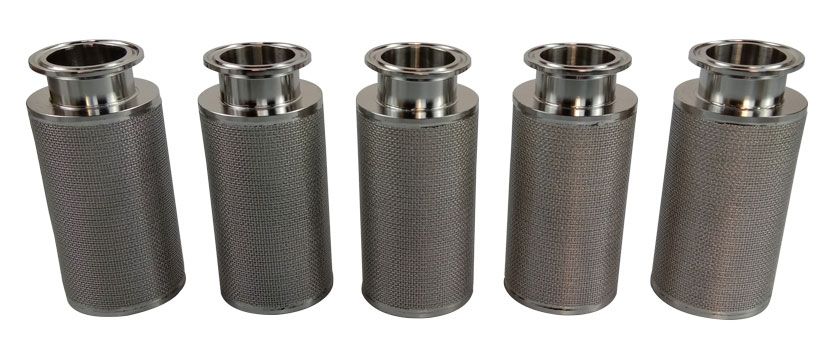
A standard sintered mesh filter element typically consists of a five-layer sintered mesh structure:
Protective Layer
Filtration Layer
Dispersion Layer
Two Support Layers
Connection Methods
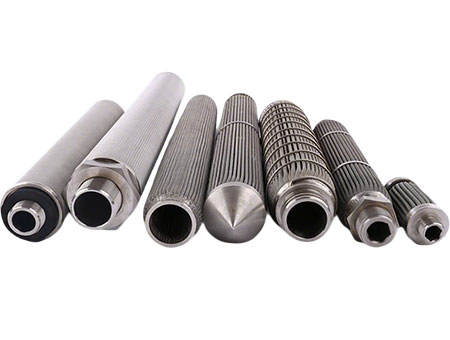
Common connection types include:
Standard interfaces (e.g., 222, 220, 226)
Quick-connect couplings
Threaded connections
Flange connections
Tie rod connections
Customized interfaces
Application Industries
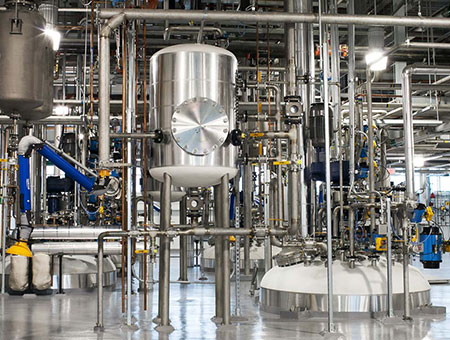
Sintered mesh filter elements are utilized across various sectors, including:
Aviation
Petroleum
Chemical
Metallurgy
Machinery
Pharmaceuticals
Food Processing
Synthetic Fibers
Environmental Protection
Advantages and Disadvantages
Advantages
High Strength: The five-layer sintered wire mesh structure provides exceptional mechanical strength and pressure resistance.
High Filtration Accuracy: Multiple layers of metal mesh effectively filter out tiny particles and impurities.
Long Service Life: Excellent corrosion and high-temperature resistance allow for long-term operation in harsh environments.
Easy Cleaning and Maintenance: The surface filtration structure supports effective backwashing. Cleaning methods include backwash water, filtrate recycling, and ultrasonic cleaning.
Customizability: Shapes and specifications can be tailored to specific working environments and filtration requirements.
Disadvantages
Higher Cost: Compared to other filter elements, sintered mesh filters are generally more expensive due to complex manufacturing processes, material costs, and technical requirements.
Water Quality Sensitivity: In environments with poor water quality, the filter may clog or damage quickly. Proper pre-treatment or water quality control is essential.
Strict Installation Requirements: Incorrect installation or initiating filtration before proper securing can easily damage the element.
Ordering Information
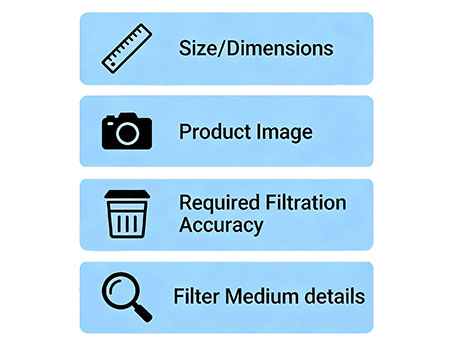
If a part number is unavailable, please provide the following parameters:
Size/Dimensions
Product Image
Required Filtration Accuracy
Filter Medium details
Usage Guidelines
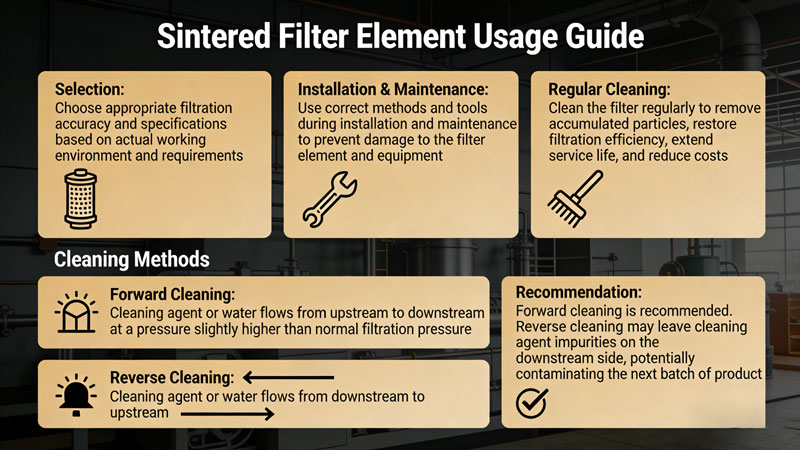
When using sintered filter elements, consider the following:
Selection: Choose the appropriate filtration accuracy and specifications based on the actual working environment and requirements.
Installation & Maintenance: Use correct methods and tools during installation and maintenance to prevent damage to the filter element and equipment.
Regular Cleaning: Clean the filter regularly to remove accumulated particles, restore filtration efficiency, extend service life, and reduce costs.
Cleaning Methods
Cleaning can be categorized into two methods:
Forward Cleaning: The cleaning agent or water flows from the upstream to the downstream side of the membrane. This is performed at a pressure slightly higher than the normal filtration pressure.
Reverse Cleaning: The cleaning agent or water flows from the downstream to the upstream side.
Recommendation: Forward cleaning is recommended. Reverse cleaning may leave impurities from the cleaning agent on the downstream side of the membrane, potentially contaminating the next batch of product.
Conclusion
Selecting the appropriate sintered mesh filter element helps protect equipment, save costs, and improve work efficiency. Furthermore, proper cleaning extends the element's lifespan and reduces production expenses. Therefore, choosing the right filter and employing correct cleaning methods are crucial.
We not only manufacture filter elements but also provide free design solutions to help customers solve their filtration challenges. Please feel free to contact us for inquiries.